Founder • Systems Architect • Builder of Internet Platforms
Adam Rogas
I design systems that survive real-world scale.
For two decades I’ve built systems that separate signal from noise and make correct decisions under pressure.
I work with teams when those systems start to strain.
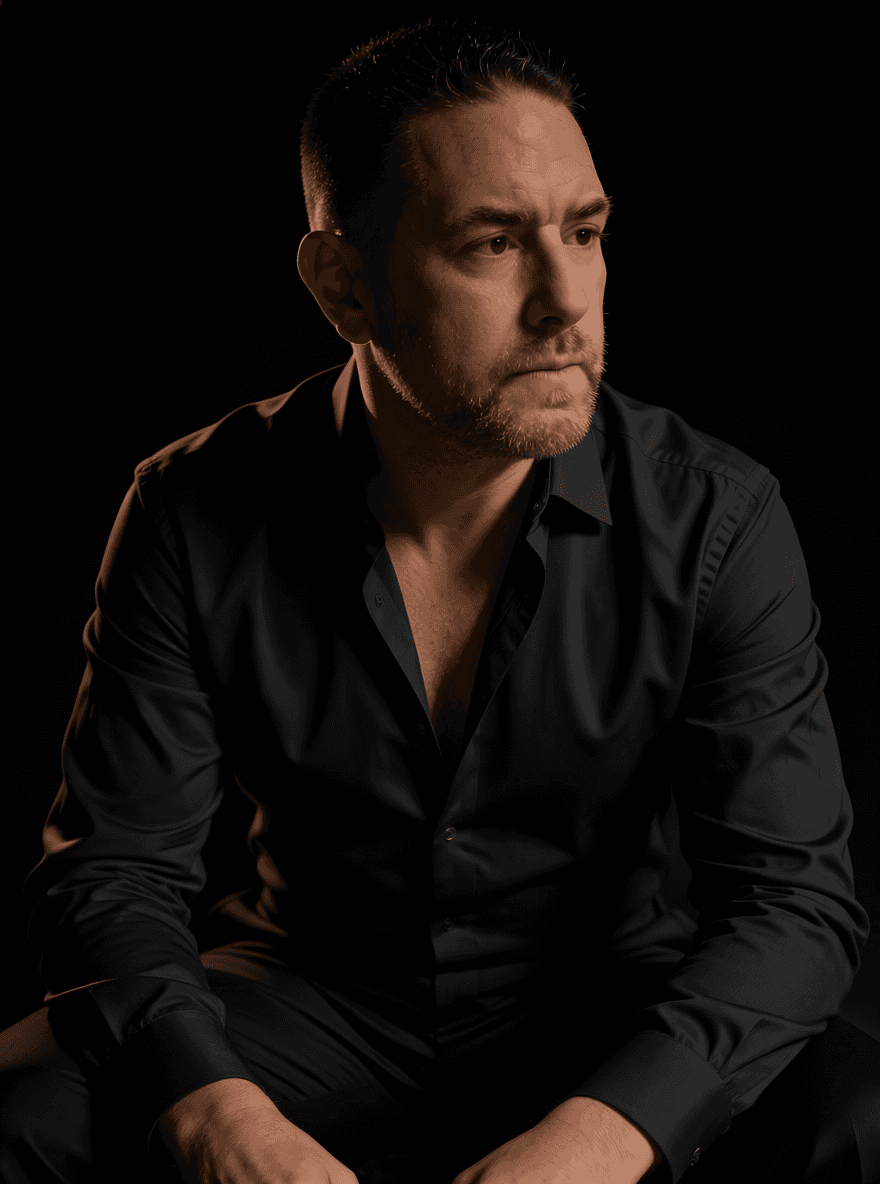
Two Decades Building Internet Platforms
Messaging•Classification•AnalyticsFraud Detection•AI SystemsWorkflow Infrastructure
Background
About
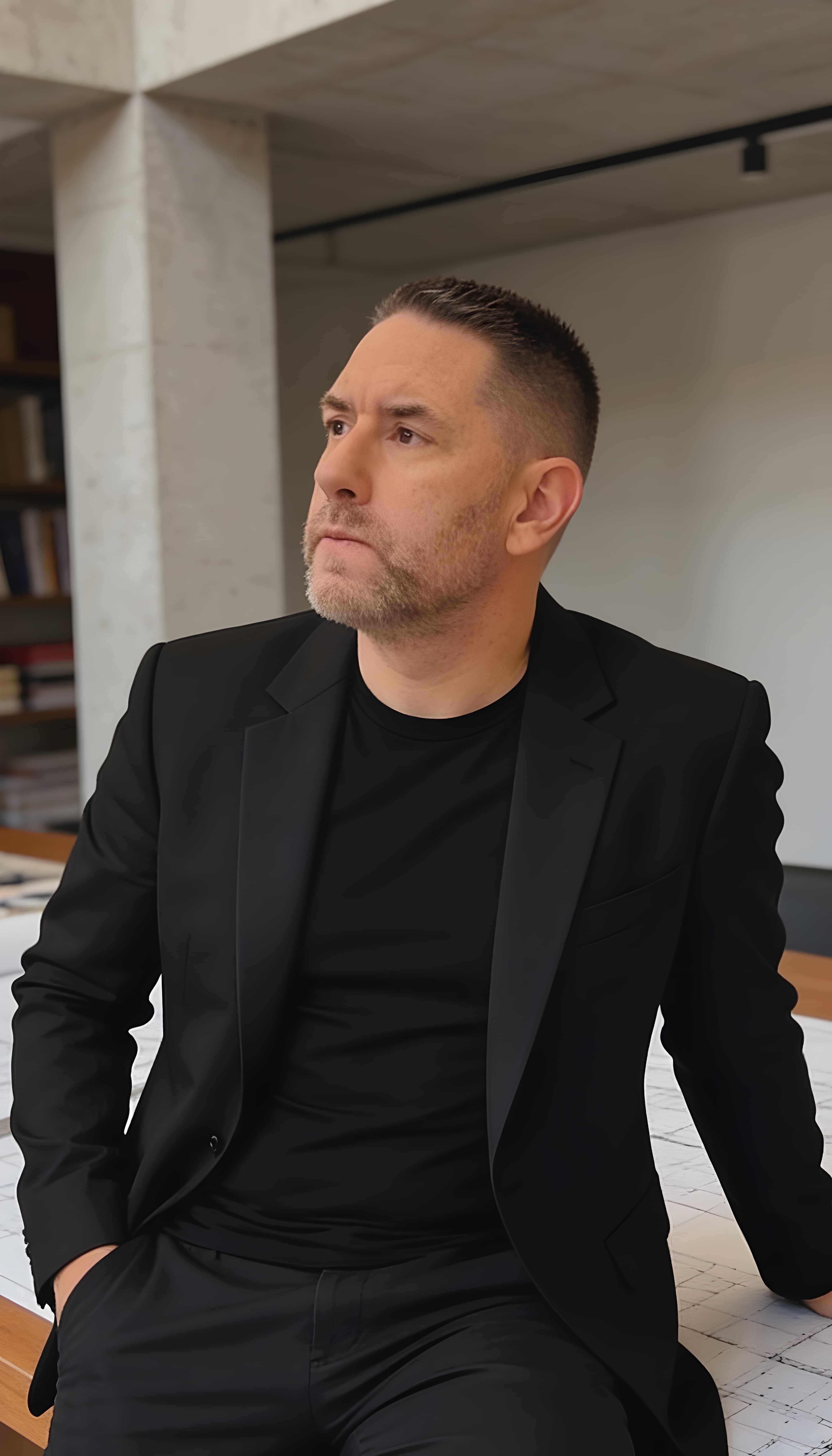
Adam Rogas is a technologist, founder, and systems architect. For more than two decades, his work has centered on the same core problem: building systems that operate on large, real-time data — extracting signal from noise and making correct decisions under uncertainty.
He began building large-scale realtime messaging systems in the early days of the web, and later founded Loadmail and Load, where he helped develop core SaaS infrastructure including messaging, CMS, hosted analytics, and DNS.
His work at HealthNews led to the development of advertising fraud prevention systems, forming the basis for two issued patents and eventually the foundation of NS8.
From 2016 to 2020, he built NS8 during a period of rapid global growth and operational complexity.
Today he works with teams as an advisor in the AI space, helping design systems that remain correct as complexity, scale, and real-world conditions converge.
Career
Systems Built Over Time

Early large-scale realtime messaging and data systems; including email, chat, Bayesian filtering, spam classification, virus detection, CMS, hosted analytics, and DNS. These systems operated on high-volume, real-time data streams where classification, prioritization, and correctness under uncertainty were core requirements. LoadDNS was later spun out as a dedicated DNS platform during the formative years of the modern web.

Global health publishing platform operating across the Middle East, Europe, and India; where early advertising and fraud detection systems began taking shape at scale.

Formalization of the ad tech developed at HealthNews, focused on large-scale advertising fraud detection and forming the basis for two issued patents in fraud detection.

Fraud detection platform built and scaled globally, where infrastructure, data systems, and operational complexity converged under real-world pressure.
Advisory
Consulting with founders and engineering teams in the AI space, helping design systems that stay reliable as models, workflows, and operational pressure collide.
Work
Systems I Think About Under Real-World Pressure
The through-line is the same: systems that must make correct decisions under real-world conditions.
Messaging & Classification
Messaging systems fail at the edges — delivery guarantees, retries, ordering, and backpressure. My early work included Bayesian filtering, spam classification, and virus detection, where the system’s job was separating wanted from unwanted at scale.
Core SaaS Infrastructure
Platforms like CMS, analytics, and DNS look simple from the outside. In practice, they become foundational services that shape everything built on top of them. Clarity and operational resilience matter more than novelty.
Fraud Detection
Fraud systems are adversarial by nature. They degrade unless they continuously adapt. The challenge is not just detection, but building feedback loops that evolve as behavior changes.
This work led to two issued patents and became part of the foundation of NS8.
Workflow & Automation
Most automation fails because it models tasks instead of processes. The goal is building systems that remain observable and correct as organizations evolve.
That perspective shapes the advisory work I do with teams in the AI space.
Philosophy
AI Needs Systems
- Clear intent
- Structured feedback loops
- Observability
- Iteration over time
Perspective
What Founders Don’t Expect
Most founders spend the early years focused on product, growth, and fundraising.
The hardest problems in growing companies are rarely purely technical. What catches founders off guard is what happens underneath that growth.
Growing companies often encounter the same systemic failures:
- —Infrastructure strain
- —Operational complexity
- —Systems that stop matching the business
- —Hidden risk that compounds quietly over time
I’ve spent decades building systems across messaging, analytics, fraud prevention, and SaaS infrastructure, and I’ve seen how quickly complexity can outpace judgment if it is not handled carefully.
That is the perspective I bring to architecture and advisory work today: not just how to build, but how to build in a way that survives scale, pressure, and reality.
I’ve seen what happens when systems succeed — and what happens when they break.
Services
Problems I Help Solve
Most teams don't need more technology.
They need clearer systems.
I typically work with founders and engineering teams when systems begin to outgrow the assumptions they were originally built on.
Systems That No Longer Scale
Infrastructure that worked early on often begins to fracture under growth. I help teams redesign systems so they can evolve without constant rewrites.
Operational Complexity
As companies grow, technical systems and operational workflows begin to collide. Designing platforms that support both engineering and real-world operations is one of the hardest parts of scaling software.
AI Without Structure
Many teams experiment with AI but struggle to make it reliable. The key is not just models, but systems that provide intent, observability, and feedback loops.
Platform Architecture
Companies building developer platforms or internal tooling often reach a point where their architecture becomes difficult to extend. I help teams design systems that remain understandable and adaptable as they grow.
If you're building something complex and want help designing the systems behind it, I'd love to hear about it.
Insights
Lessons From Building Systems
The most difficult technical problems are rarely purely technical. They emerge from the interaction between software systems, human workflows, and organizational structure.
The best systems are not the most sophisticated ones. They are the ones that remain understandable as organizations grow.
I write about these patterns in more depth when time allows.
Read essaysPerspective
Rebuilding
My career has included meaningful innovation, company building, and serious mistakes.
I take responsibility for the part of my past that resulted in a federal securities conviction.
That experience forced a deeper reevaluation of judgment, accountability, priorities, and leadership than success ever could have.
It also gave me a clearer understanding of what it means to build responsibly, operate with discipline, and earn trust over time — both in systems and in life.
I do not treat that as a talking point. I treat it as context — one that continues to shape how I approach systems, decisions, the teams I work with, and the priorities I choose to carry forward.
Today my focus is simple: build meaningful systems, do excellent work, and bring hard-earned judgment to the people I work with.
Engagement
Work With Me
I work with companies that need help when the systems underneath growth start to strain.
THIS CAN INCLUDE:
Systems That Survive Scale
Designing distributed systems and event-driven platforms that remain clear and durable as complexity grows.
Operational Systems & Workflow Infrastructure
Helping teams build workflow systems that support real-world processes, not just idealized tasks.
Untangling Systems Under Pressure
Helping companies simplify or redesign technical stacks when infrastructure, decision-making, and operations begin colliding.
Developer Platforms & Internal Tooling
Designing SDKs, APIs, and internal systems that other engineers can extend, trust, and build on over time.
Infrastructure That Evolves With the System
Infrastructure is often treated as a late-stage concern, but by then system behavior is already established. I help teams design infrastructure early, as part of the system itself, so scaling does not require rebuilding foundations under pressure.
I typically work with founders, platform teams, and organizations building technically complex products under real-world constraints.
Contact
Get In Touch
If you're building something complex and the systems underneath it are starting to strain, I'd love to hear about it.
adam@adamrogas.com